
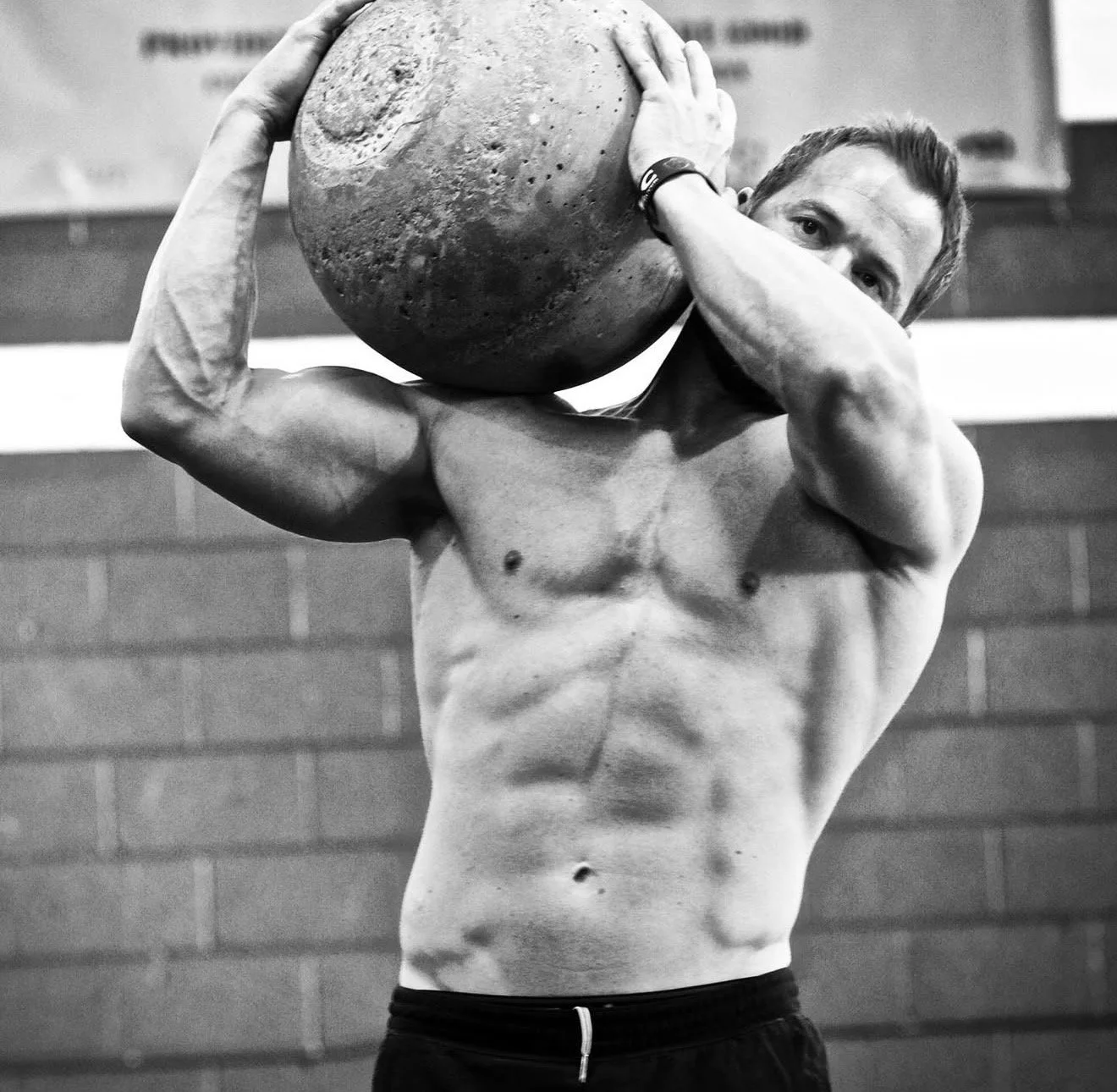
When I first got into CrossFit back in 2008, I was obsessed with seeing what my body was capable of.
I wanted to be stronger, faster, leaner. I wanted to compete, push my limits, and see just how far I could take things.
I wanted the six-pack. I wanted to be ripped. I wanted to lift heavy weights, put up impressive numbers, and perform at the highest level I possibly could.
And I loved every bit of it.
There was a time when I trained upwards of three hours a day. I paid close attention to my nutrition, prioritized recovery, and structured a good portion of my life around improving my performance.
Fitness wasn’t just something I did. It was a huge part of who I was.
And at that point in my life, that’s exactly what I wanted.
But something I’ve learned over the years is that the fitness you want determines the life you have to live.
If you want to compete at a high level, you have to live like a competitor. That means putting in the hours, making sacrifices, paying attention to nutrition, and prioritizing training and recovery.
There’s nothing wrong with that. In fact, I think it’s awesome when someone wants to see just how far they can push themselves.
But that’s not the only reason to be fit.
Somewhere Along the Way, My Priorities Changed
I got older. I had kids. My responsibilities grew. I went from running one gym to running multiple businesses.
And while I still loved training, I started wanting different things from it.
I still wanted to be strong, lean, and capable. But I became more interested in how I felt every day. I wanted to wake up without pain, move well, have plenty of energy, and be able to do whatever life threw at me.
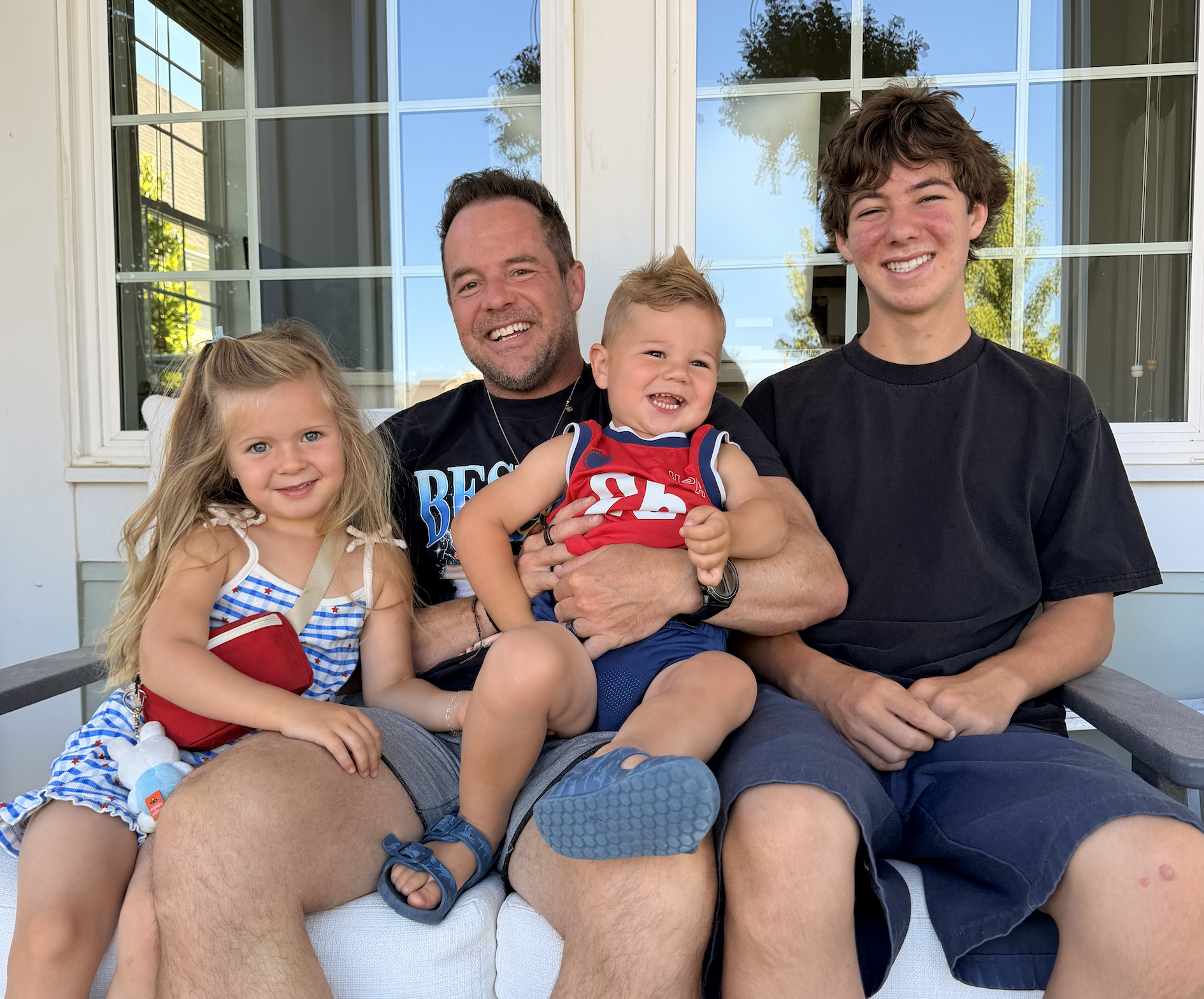
More importantly, I wanted to be a dad who could keep up with his kids. I wanted to enjoy my life outside the gym, not spend so much time preparing my body that I had less time to actually use it.
These days, my workouts are usually somewhere between 20 minutes and an hour. Never more than an hour.
I still train hard. I still pay attention to what I eat. And I still maintain a level of fitness I’m proud of.
But I don’t spend hours obsessing over training or nutrition anymore.
Not because fitness has become less important to me, but because the role it plays in my life has changed.
In my early CrossFit years, a lot of my life revolved around fitness. Today, I want my fitness to revolve around my life.
We’re All Trying to Discover What We’re Capable Of
Looking back, I think one of the things that made those early years so exciting was discovering what was possible.
I’d accomplish something I couldn’t do a few months earlier, and immediately start wondering what else I could achieve.
And the more I think about it, the more I realize that experience isn’t unique to competitive athletes.
It’s something I see all the time with people who are just getting started.
Someone walks into the gym who hasn’t exercised consistently in 15 years. They’re nervous, unsure of themselves, and sometimes convinced they’re too far out of shape to do much of anything.
Then they start training.
A few weeks later, they’re moving better. A few months later, they’re stronger, have more energy, and are doing things they couldn’t do when they started.
Maybe they lose 30 pounds. Maybe they do their first pull-up. Maybe they can finally get down on the floor and play with their grandkids without struggling to get back up.
And suddenly, they start wondering what else they’re capable of.
That’s the same excitement I experienced when I first started CrossFit.
The accomplishments might look different, but the experience of discovering your potential is the same.
And I think that’s one of the greatest things fitness has to offer.
There’s No Single Definition of Being Fit
One thing I’ve come to appreciate after nearly 30 years in the fitness industry is that fitness means different things to different people.
For a young athlete, it might mean getting as strong, fast, and competitive as possible. If that’s your goal, I say go for it. Push yourself. See what you’re capable of.
For someone who’s spent the last 15 years focused on a career and raising kids, fitness might mean finally making time for themselves again. Losing weight, rebuilding strength, having more energy, and feeling comfortable in their own body.
For someone who’s never exercised consistently, it might simply mean getting started. Building confidence, learning how to move, and establishing habits that make them healthier.
And for someone in their 60s or 70s, it might mean maintaining the strength, balance, and mobility to stay independent and continue enjoying life.
All of those are worthwhile goals.
And none of them has to stay the same.
The person who’s just getting started today might discover a passion for training they never knew existed. The competitive athlete might eventually decide that family, career, or other interests deserve more of their time.
Fitness isn’t a fixed destination. It changes as we do.
Stop Comparing Yourself to Someone Living a Different Life
I think this is where a lot of people get frustrated.
They compare themselves to someone who has completely different priorities, responsibilities, and circumstances.
Or worse, they compare themselves to an earlier version of themselves.
Maybe you were an athlete in college. Maybe you were in great shape before having kids. Maybe there was a time when you could train six days a week and plan your entire schedule around your workouts.
And now your life looks completely different.
You look back at what you used to be able to do and feel like you’re falling short.
I could do the same thing.
I could compare myself to the version of me who trained three hours a day and wanted to compete at the highest level.
And depending on what I chose to measure, I might be disappointed.
But why would I do that?
I’m not trying to live that life anymore.
That doesn’t mean I’ve lowered my standards. I still expect a lot from myself. I still want to be strong, healthy, lean, and physically capable.
I’ve simply changed what I’m working toward.
And I think that’s something everyone should consider.
If you’re just starting out, don’t compare yourself to someone who’s been training for 20 years. If you’re raising three kids and working 50 hours a week, don’t judge yourself against someone whose schedule allows them to spend two hours in the gym every day.
And if you’re 50, there’s no reason you can’t continue getting stronger, fitter, and healthier than you’ve ever been.
The question isn’t whether you’re keeping up with someone else. It’s whether you’re making progress toward the life you want to live.
Build Your Fitness Around Your Life
I think the right approach to fitness starts with understanding what you actually want to accomplish.
And then being realistic about what it’s going to take to get there.
If you want to compete at a high level, that’s going to require a certain lifestyle. More training, more attention to nutrition, more sacrifices.
If your goal is to be strong, healthy, and lean while raising a family and building a career, your approach is probably going to look different.
And if you’re just getting started after years of inactivity, you don’t need to train like an athlete. You need to start building consistency, develop some confidence, and make progress from wherever you are today.
That might mean training five or six days a week because you love it and want to compete.
It might mean three well-planned workouts a week because that’s what your schedule allows.
Or it might mean starting with two days a week because that’s what you can realistically commit to.
The important thing is to be intentional.
Understand what you’re trying to accomplish, what it requires, and what you’re willing to commit to.
And don’t underestimate what you can accomplish with a realistic plan and consistent effort.
You don’t need to make fitness your entire life to get incredible benefits from it.
You just need to make it a part of your life.
What Fitness Means to Me Today
I’m 51 now, and my motivation is very different from what it was when I started.
I still love challenging myself. I still want to look good, feel good, and perform well.
But these days, I’m thinking more about longevity.
I want to be able to snowboard, hike, travel, play with my kids, and take on whatever physical challenges interest me. I want to be healthy enough to enjoy the life I’ve worked so hard to build.
And I want to keep doing those things for decades.
That’s what fitness means to me now.
But what excites me just as much is watching someone else discover what fitness can mean to them.
The 25-year-old who wants to see how strong they can become. The 40-year-old who realizes they don’t have to accept feeling tired and out of shape. The 60-year-old who discovers they’re capable of far more than they ever imagined.
We’re all starting from different places, and we’re all working toward different things.
But I think we have something in common.
We all want to be capable of more.
And whether that means competing at the highest level, getting your health back, or simply being able to enjoy your life without your body holding you back, I think that’s something worth pursuing.
So wherever you are in your journey, challenge yourself. Set high standards. Find out what you’re capable of.
Just make sure you’re chasing your own definition of fitness, not someone else’s.
Because ultimately, fitness isn’t supposed to become your entire life. It’s supposed to help you live a better one.